Why I Wrote The Takedown
A book about how the world's counterfeiters get caught, and why almost everyone fighting fakes is fighting the wrong battle.
The first fake I ever held was a brake pad. It looked right. Right box, right part number, right little holographic sticker in the corner that was meant to mean a factory in Germany had made it and stood behind it. I broke one in half on a workbench a few weeks later. Where the friction material should have been there was a grey compressed filler, the texture of a digestive biscuit. Under hard braking it would have glazed, then faded, then more or less stopped doing the one thing a brake pad exists to do.
That is the part of this business nobody puts on a slide. Counterfeiting gets sold to the public as a victimless bit of fun: a knock-off handbag, a cheeky fake watch. Some of it is exactly that. But the handbags are the shallow end. Go a few steps further out and you are standing in water over your head: medicines with no medicine in them, aircraft parts pulled out of a skip and re-stamped as new.
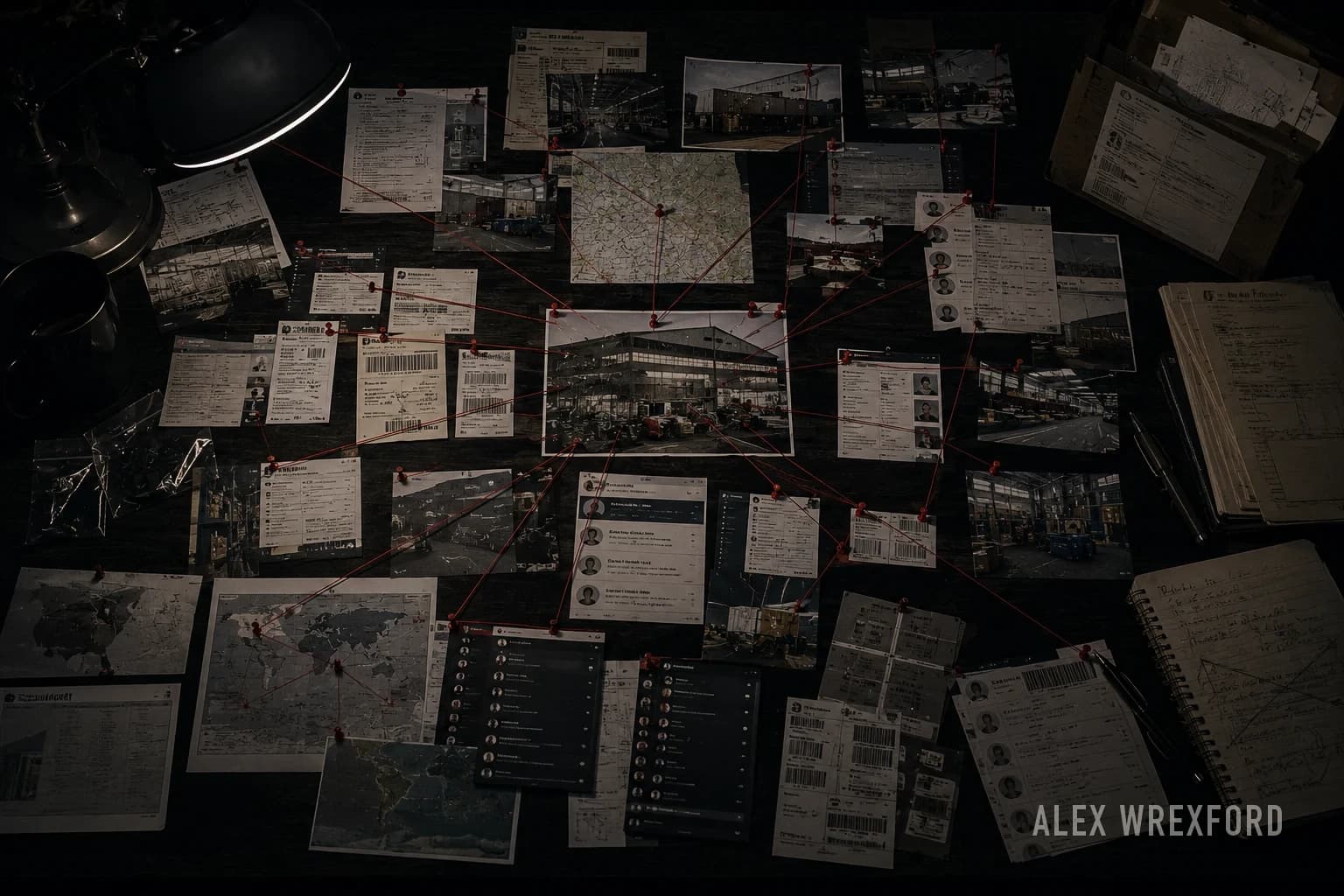
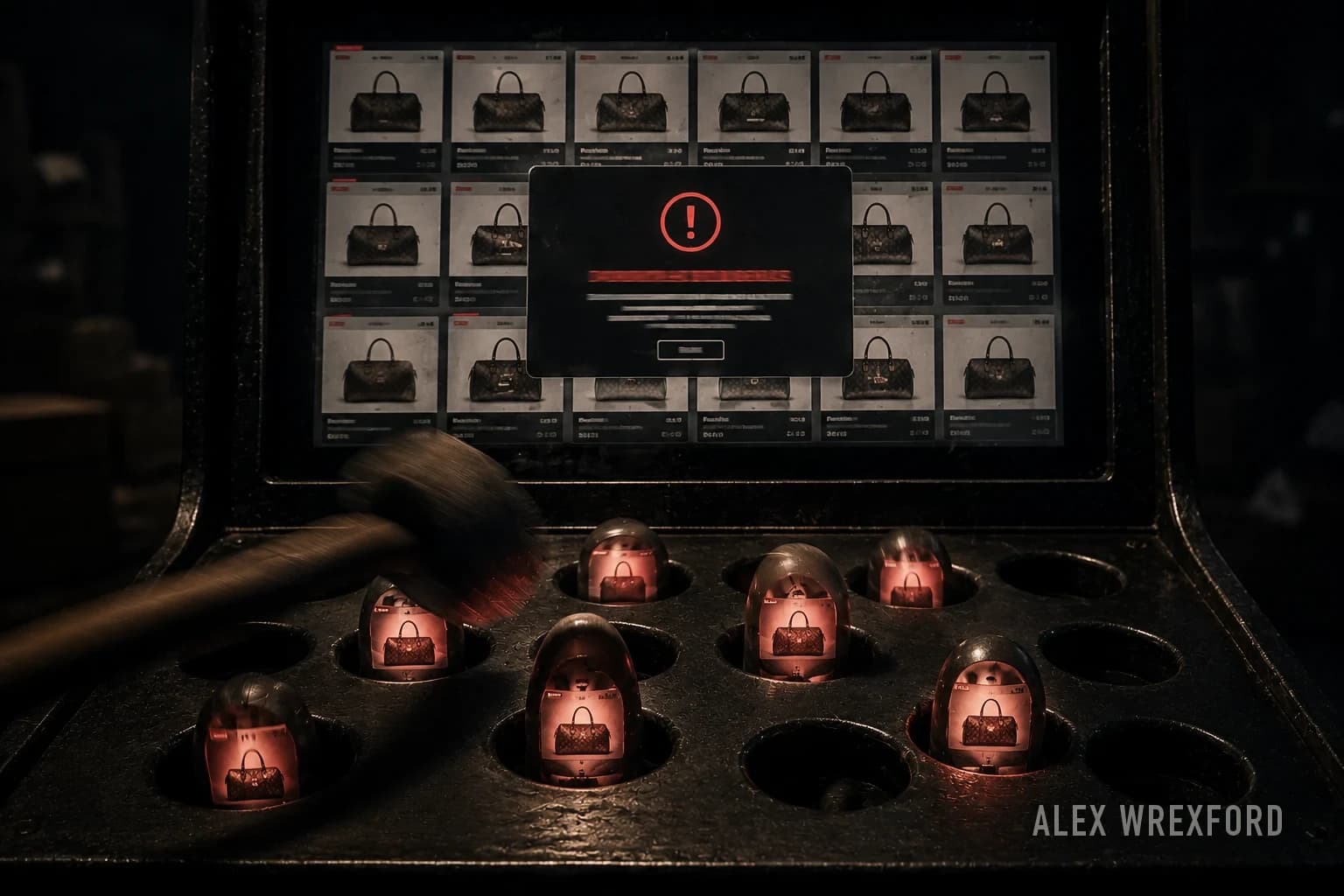
I spent about fifteen years chasing this, and I wrote the book because almost everyone in the fight is losing it on purpose, and they don't know that's the choice they've made. They count takedowns. A counterfeiter lists a fake, a provider files a notice, the listing comes down, everyone records a win. The listing was back by lunchtime. You are not fighting a listing. You never were. You are fighting a person, and the person hasn't been touched.
The Takedown is about the small number of people who do it differently. They don't delete the fake. They find the human behind it, follow the money, freeze the accounts, and make the counterfeiter the one who is out of pocket and frightened. It is slower, less satisfying on a dashboard, and the only thing that has ever changed how a counterfeiter behaves. Stop counting takedowns. Start catching people.